

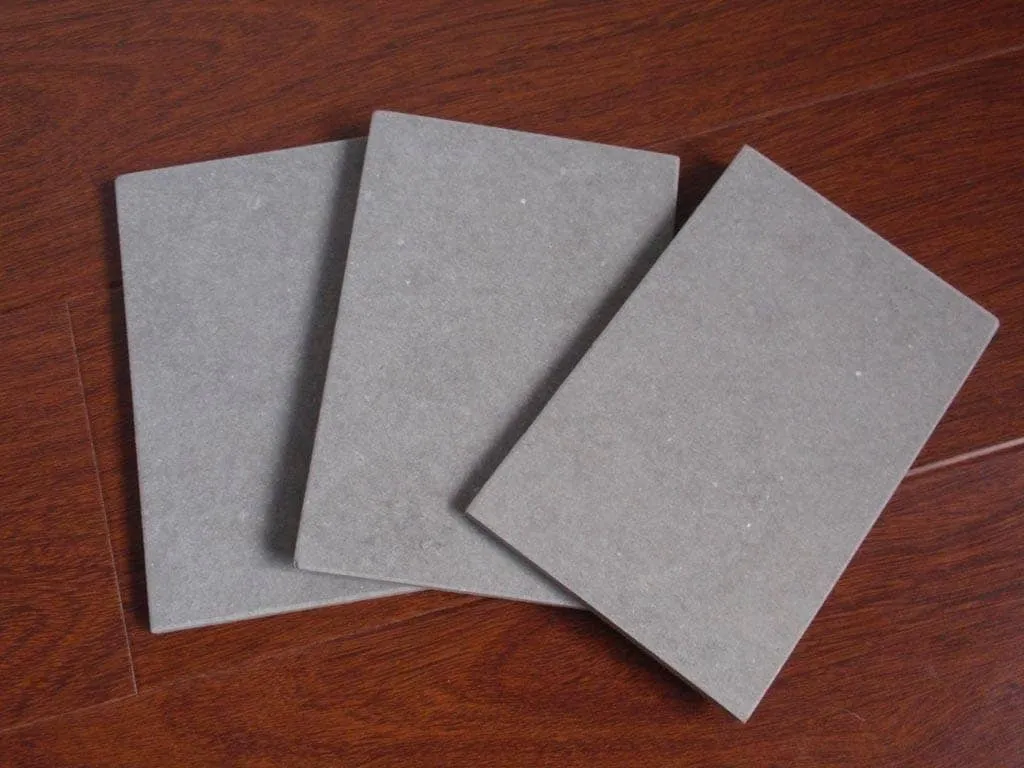
Understanding This Construction Material
How These Boards Are Made
Uses of Fibre Cement Boards
● Interior and exterior wall cladding
● False ceilings and soffits
● Drywall partitions
● Facade and elevation design
● Flooring and sub-floor applications
Key Benefits
● Fire-resistant and non-combustible
● Resistant to moisture, termites, and rot
● Long-lasting and durable
● Suitable for outdoor and wet areas
● Low maintenance and eco-friendly
Fibre Cement Board vs Gypsum Board
| Feature | Fibre Cement Board | Gypsum Board |
|---|---|---|
| Water Resistance | High | Low |
| Fire Resistance | Excellent | Moderate |
| Exterior Use | Yes | No |
| Durability | Very High | Medium |
| Maintenance | Low | Medium |
Moisture Resistance
These panels are designed to resist humidity and occasional water contact. For areas with continuous exposure to water, proper sealing and surface treatment are recommended.
Fire Safety
The boards are non-combustible and help slow the spread of fire. They are suitable for commercial, industrial, and residential projects where fire safety is important.
Exterior Use
Thanks to their strength and stability, these panels are ideal for outdoor walls, facades, and partitions in both homes and commercial buildings.
How Long Do Fibre Cement Boards Last?
When installed correctly and maintained, these panels can last 25–50 years. Their resistance to pests, moisture, and weather contributes to their long service life.
Frequently Asked Questions
What thicknesses are available?
Panels come in thicknesses ranging from 6 mm to 18 mm, depending on their application.
Are these boards eco-friendly?
Yes, they use natural fibres and reduce the need for frequent replacement, making them environmentally friendly.
Can fibre cement boards be painted?
Yes, with proper surface preparation and priming, these panels can be painted with interior or exterior-grade paints.
Do they perform well in Indian weather?
Yes, they are durable under heat, humidity, and seasonal rainfall typical in India.
Conclusion
Fibre cement board is a versatile and reliable building material used across modern construction projects. Its strength, fire resistance, moisture resistance, and long durability make it a preferred choice for walls, ceilings, facades, and flooring applications.